3D and immersive websites
Atelier Vivance is a 3D and immersive website design studio: it designs and builds sites a visitor moves through by scrolling, where the camera, the light and the product are held on one continuous timeline instead of being split across pages.
Which brands this format suits
Atelier Vivance recommends a 3D website to brands whose product is understood better as a place or an experience than as a list of features.
Available to brands and businesses in the United States and Canada, the Gulf, and the UK and Europe.
That usually means a fragrance, a hotel, a collection or a launch. A site that mostly has to be read quickly and changed daily is better served by a conventional build, and the studio says so before quoting.
What is included
A 3D website from Atelier Vivance is made of five pieces of work, from art direction to a review on a slow phone.
- Art direction The look, palette, type and pacing, shown to you before any code is written.
- The film The scenes, made from your material or generated and composited by the studio, cut into one sequence.
- Scroll choreography What the visitor sees at every point of the scroll, held on one timeline.
- Web engineering The site itself, built for the brand under a download limit the build enforces.
- A review on a slow phone Load measured on a throttled phone connection, accessibility checked against WCAG 2.2 AA (the standard for people using screen readers, keyboards or zoom) and security headers verified, by a pass kept apart from the build.
How an immersive site is made
Atelier Vivance makes an immersive site in the order a film is made: direction first, then the scenes, then the cut, and the code last.
The scenes are cut against the scroll, so the picture moves only as far as the visitor does, and a written weight budget is enforced by the build. Fasih Ud Din Mazhar, the director, answers for the result, with scope, schedule and price agreed in writing first.
Two builds that show the method
Atelier Vivance points to two of its own builds for this service, because each proves a different half of what the format can do.
Ponente holds one place as a single shot; Cinq Terres joins five worlds without a cut. Neither was commissioned, their moving pictures were generated and composited in the studio, and no sales figures are claimed.
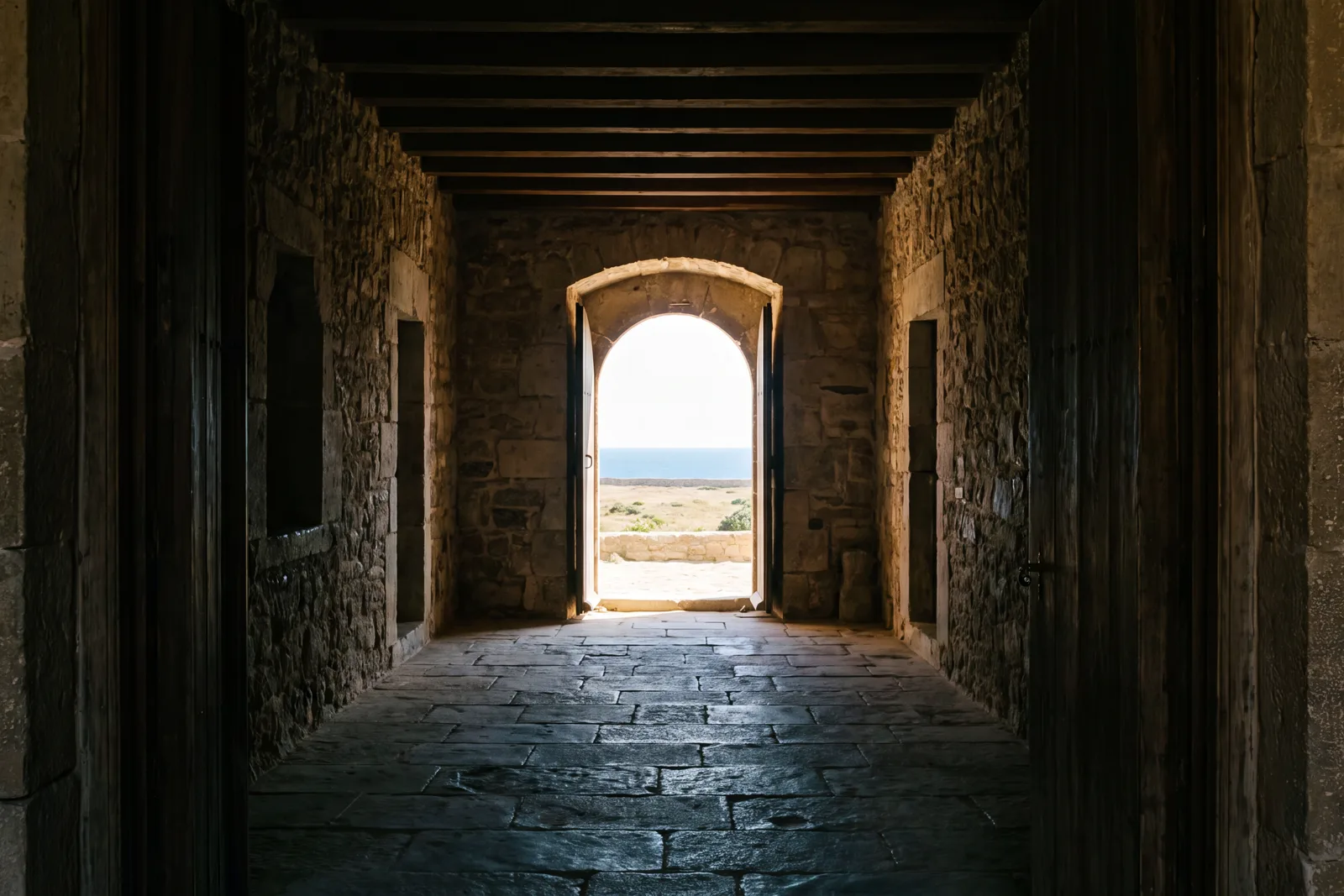
- Ponente A villa approached by sea in seven chapters and 520 desktop scrub frames (the still images the scroll moves through), under a 205 kB JavaScript ceiling, a hard limit on how much code the page may download.
- Cinq Terres Five worlds for one fragrance in ten chained film segments, each joined to the next on an identical frame.
Where the format falls short
A 3D website from Atelier Vivance weighs more than a text page and will not load as fast as one, so its budget is agreed before work starts.
A cinematic site is weeks of work, not days, and the wrong format for content that changes daily, such as a news feed or a large catalogue.
Logins, payments and customer accounts sit outside this service and are quoted separately.
Questions about 3D websites
These are the questions a brand should put to the studio before an immersive site is scoped, each answered briefly.
Will a 3D website work on a phone?
It has to, and that is tested: every build is loaded on a throttled phone connection, and anything that fails there is fixed before delivery.
Can we use our own footage or renders?
Yes, alone or mixed with generated scenes, and a generated scene is never passed off as filmed.
Beginning a project
To begin an immersive site, write to the studio with what it is for, when it must go live and roughly what you can spend.
Write to the director. fasih@ateliervivance.com
WhatsApp +92 307 578 9282
The review behind every build, and who answers for it, are set out on the studio page, beside the registration.